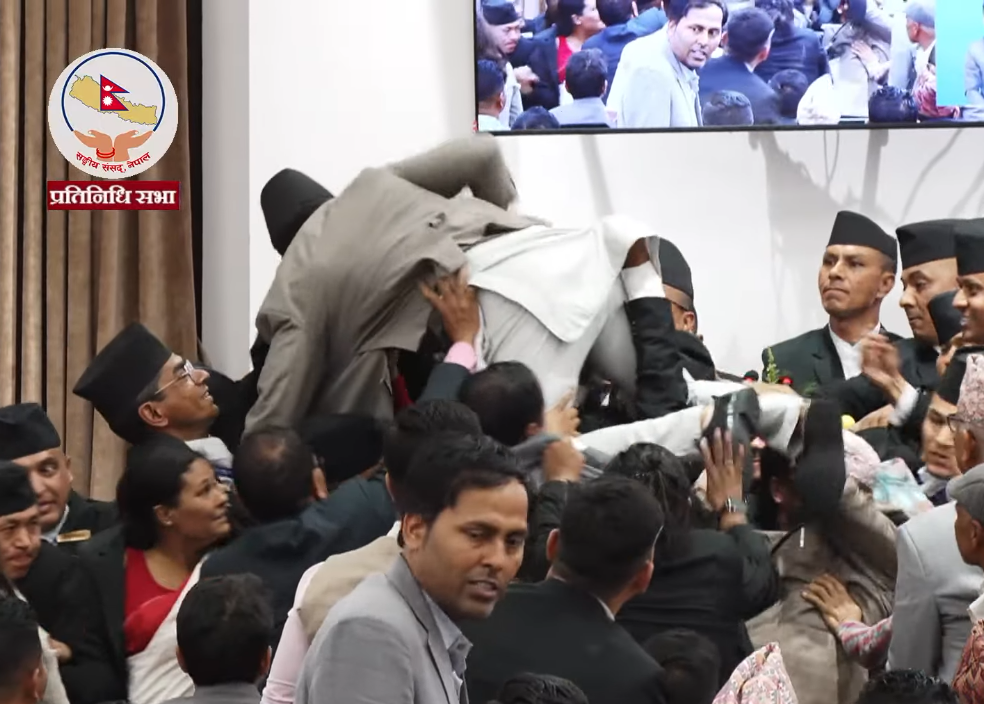


Over the past week, Nepal has been widely discussed in global media. However, the focus was not on its serene mountains, natural beauty, or cultural richness, but on the Gen-Z movement that successfully disrupted the government in just two days.
The Gen-Z protests stirred not only Kathmandu but the entire country, raising questions about governance, social justice, and Nepal’s future direction. For a brief period, Nepal’s international image was overshadowed by uncertainty. Yet the reality is essential to understand. Yes, the protests caused temporary disruptions. Some infrastructure and businesses were affected, and a few criminals briefly escaped custody. But the bigger picture was misrepresented. Within a few days, almost all fugitives were apprehended, security forces were active, and life in major cities returned to normal. Most importantly, tourist areas remained completely safe.
Tourism in Nepal is more than luxury—it is a lifeline. From snow-capped Himalayan peaks to the jungles of Chitwan, the tranquil lakes of Pokhara, and the spiritual center of Lumbini, tourism touches every community. It generates employment, supports local livelihoods, preserves cultural traditions, and contributes significantly to the national economy.
Every year, millions of trekkers, climbers, pilgrims, and tourists travel Nepal’s trails and roads, sharing economic, cultural, and social stories worldwide. Tourism is not just about money; it shapes Nepal’s global image. Visitors return home as ambassadors, carrying memories of Nepal’s beauty, hospitality, and resilience.
Despite the temporary concerns generated by the Gen-Z protests, bookings in some areas have slowed, and potential tourists have asked agencies, “Is Nepal safe?” The answer is simple: Yes, Nepal is among the safest travel destinations in the world.
No Threat to Tourists
During the protests, there were no reports of violence or harm against tourists. In fact, videos circulated showing protesters making way for buses carrying tourists, waving and signaling their protest was against the government, not visitors. This demonstrates the awareness and respect Nepali citizens have for tourist safety.
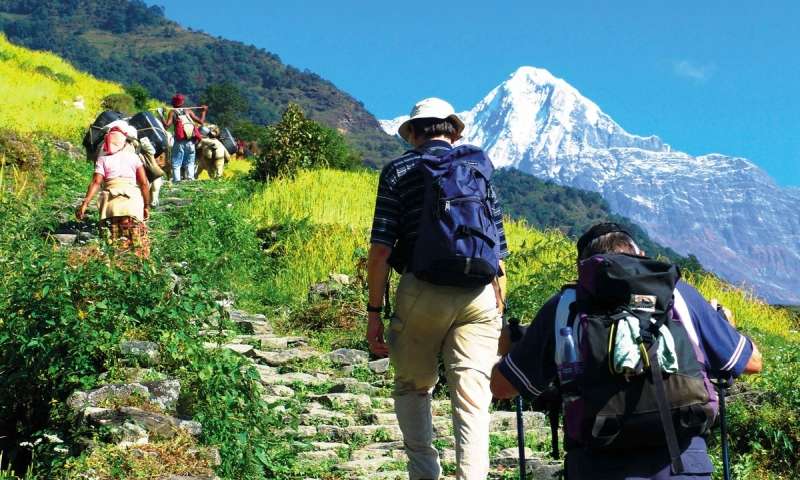
Understanding this sentiment, trekking groups continued their journeys in the Everest and Annapurna regions. Hotels in Pokhara and Chitwan provided uninterrupted services. Domestic flights experienced minor delays but continued to operate reliably.
The truth is, Nepal has faced political instability, power transitions, strikes, and protests before, yet tourism has demonstrated remarkable resilience. Visitors often comment that despite national uncertainty, Nepali hospitality and the serenity of the Himalayas remain unchanged. This is Nepal’s enduring magic.
Strong Security and Rapid Restoration
Security forces are far stronger than portrayed in some reports. Within a week, legal order was fully restored. Tourists in Nepal during this time experienced no difficulties and expressed surprise at how safe it felt compared to international media coverage. The message is clear: Nepal is open, Nepal is safe, and Nepal is ready to welcome the world.
Leadership Matters: Experience vs. Youth
Recent events have highlighted that Nepalese youth (Gen-Z) are active and talented, bringing fresh perspectives and energy. However, in a sensitive and internationally visible sector like tourism, experience and professional knowledge are indispensable.
Providing opportunities for young leaders builds future leadership. But the current leadership of the Ministry of Tourism must come from experienced professionals capable of making swift decisions and providing guidance during crises.
Nepal’s tourism can be effectively safeguarded and sustainably developed by leaders such as Jyoti Adhikari, Sagar Pandey, Navaraj Pandey, or Navaraj Dahal—individuals who inspire trust both domestically and internationally. Jyoti Adhikari, with over 30 years of experience, is the founder of Holy Himalaya Eco Trek, promoting sustainable, eco-friendly trekking routes and community engagement. Sagar Pandey, current president of TAAAN, is a successful tourism entrepreneur. Navaraj Pandey and Navaraj Dahal bring innovation, international networks, and leadership to the sector.
Nepal needs experience, competence, and globally credible leadership—not just political appointments. Appointing one of these experts as Tourism Minister would signal Nepal’s serious commitment to preserving and promoting tourism worldwide.
Practical Measures for Rapid Recovery
Leadership within the industry is not symbolic; it allows for swift action:
- Recovery Packages: Support and easy loans for businesses affected by protests.
- Communication Strategy: Reassure international travelers that Nepal is open and safe via social media, diaspora engagement, and travel influencers.
- Sustainable Growth: Focus on eco-tourism, heritage preservation, and community-based tourism.
- Diversification: Promote destinations beyond Annapurna and Everest to distribute economic benefits and reduce overcrowding.
- Crisis Preparedness: Establish rapid response and reputation management systems for future unrest.
These steps are achievable within months under strong leadership.
Support from the Interim Government
Prime Minister Sushila Karki’s interim government has the responsibility of guiding Nepal through this transition. Appointing an experienced tourism minister is not only a cabinet decision but also a blessing for the nation, demonstrating that the government listens, acts pragmatically, and plans for the future.
Nepal Awaits You
As a TAAAN executive and lifelong tourism advocate, I want to send a clear message to all travelers: Nepal awaits you. Our trails are open, our mountains remain unparalleled, and our people are ready to welcome visitors with smiles and warmth. The Gen-Z movement may have shaken politics, but it has not shaken our foundation of hospitality.
My humble appeal to the government: place tourism leadership in the hands of industry experts. This will not only safeguard the sector but strengthen the soul of the nation. Nepal is safe, Nepal is resilient, and with the right leadership, tourism will reach even greater heights.